


How to Change the Oil and Filter on a 2015-2020 Ford F-150 5.0L V8
A step-by-step guide to changing the oil and filter on a 2015–2020 Ford F-150 5.0L V8, covering oil capacity, filter and drain plug torque, and resetting the oil life monitor.
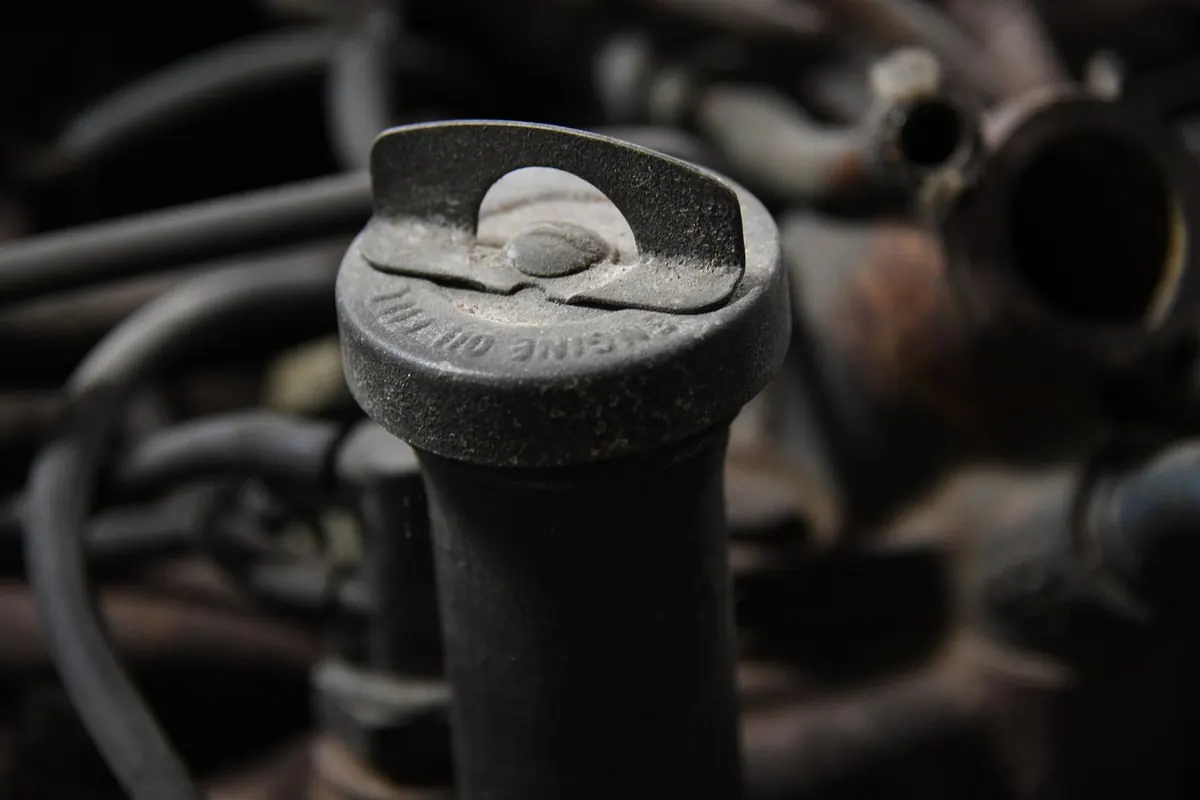
The 5.0L Coyote V8 is one of the friendliest engines in the F-150 lineup to service at home. Once the truck is in the air, the drain plug and filter are both within easy reach, and the job takes most people about 45 minutes with hand tools. What trips people up isn't the wrenching. It's the details: how much oil the engine actually takes, how tight the filter should be, and how to clear that oil life percentage off the dash. Here is the whole job, start to finish.
Parts, Tools and Specs to Sort Out First
Buy your oil and filter before the truck goes up on stands, not after. For the 5.0L you need:
- Oil: 5W-20 meeting Ford specification WSS-M2C945-A (later trucks list WSS-M2C945-B1) with an API SP or ILSAC GF-6 rating. Read the fill cap and your owner's manual rather than trusting a forum post; Ford changed recommended viscosities across these model years.
- Filter: Motorcraft FL-820S, the spin-on filter this engine has used since 2011. A quality equivalent from a major brand works fine.
- Drain plug gasket or washer: buy one if your plug uses a separate crush washer. Many of these trucks use a plug with a captured gasket, which only needs replacing if it's flattened or weeping.
- Tools: floor jack and jack stands or ramps, wheel chocks, a 15mm socket or wrench (plug size varies a little by year, so a small socket set is worth having), 3/8-inch ratchet, filter wrench, drain pan that holds at least 10 quarts, funnel, torque wrench, nitrile gloves, rags and a flattened cardboard box.
- Containers: the empty oil jugs work well for hauling the used oil to a recycler.
On capacity: Ford lists roughly 7.7 quarts (7.3 liters) with a filter change for 2015–2017 trucks, and about 8.8 quarts (8.3 liters) for the updated 2018–2020 engine. Confirm in your owner's manual, then buy a quart more than you think you need.
Two torque numbers matter. The drain plug goes back in at about 19 to 22 lb-ft (26 to 30 Nm), which is snug, not wrestled. The filter is best tightened by hand: spin it on until the gasket touches the mounting surface, then go three-quarters of a turn more. That lands around 15 to 18 lb-ft. If you need a wrench to install a spin-on filter, you're probably overdoing it.
Getting the F-150 Safely in the Air
Work on level ground, set the parking brake and chock the rear wheels. A 2015–2020 F-150, especially a 4x4, sits high enough that a set of ramps is often all you need, and ramps are the safer choice if you aren't pulling wheels. If you use a jack, lift on the frame rails or the front crossmember, set stands under the frame and give the truck a firm shove before you slide underneath. Never work under a vehicle held up by a jack alone. Two stacked 2x4s under each front tire will also buy you a couple of useful inches.
Draining the Old Oil
Run the engine for five minutes first. Warm oil flows better and carries more suspended contaminants with it, but you don't want it scalding. Just warm. Then:
- Shut the engine off and pull the oil fill cap on top of the engine. That lets air in and speeds the drain.
- Slide the drain pan under the plug at the rear of the oil pan. Expect the first few seconds to arc out a couple of inches before settling into a steady pour.
- Break the plug loose with your socket, then back it out the rest of the way by hand while keeping light pressure against it so it drops into the pan rather than your fingers.
- Let it drain 10 to 15 minutes. While it drips, inspect the plug gasket. If it's flattened, cracked or a separate washer, replace it.
- Thread the plug back in by hand to avoid cross-threading, then torque it to spec.
Removing and Replacing the Filter
The FL-820S mounts on the driver's side of the block, tipped downward, and you reach it from below. Because it isn't mounted straight up, expect a mess: oil will run down the side of the filter and onto whatever sits beneath it. Keep the drain pan under it and a rag in your other hand. Draping a plastic bag over the filter before you spin it off catches most of the spill.
Break the filter loose with a strap or cup wrench, then remove it by hand. Check that the old gasket came off with it. A gasket left stuck to the block will double-seal and leak. Wipe the mounting surface clean, put a thin film of new oil on the new gasket, and spin the filter on. Pre-filling is optional here; because of the angle, a fair amount of what you pour in will end up on the floor. Coating the gasket matters more. Tighten by hand until the gasket contacts the base, then three-quarters of a turn more, and wipe the area dry so leaks are easy to spot later.
Refilling and Checking Your Work
Pour in about a quart less than the listed capacity through a funnel, wait a minute for the oil to settle into the pan, then check the dipstick. Add in half-quart increments until you reach the full mark. Start the engine and let it idle for a minute; the oil pressure warning should go out immediately. Shut it off, wait five or ten minutes for oil to drain back, and check the level again. Needing a little more after the filter fills is normal.
Look under the truck for drips at the plug and filter. Then take a short drive, park on clean pavement and check again a few hours later. Fresh oil is clear enough that a slow seep shows up quickly. Pour the used oil into a sealed container and take it to an auto parts store or a municipal recycling center that accepts it.
Resetting the Oil Life Monitor
These trucks use an intelligent oil life monitor that counts idle time, towing and cold starts, not just miles. Reset it or the dash will keep reminding you. With the truck in park and the ignition on, use the left-hand steering wheel buttons to scroll to Settings, then Vehicle, then Oil Life Reset. Press and hold the OK button until the display jumps back to 100 percent. Trucks with the smaller information display may word things slightly differently, but the path is the same, and your owner's manual lists it under Information Displays.
Keeping the 5.0 Healthy Between Changes
Follow the monitor rather than a fixed number. Most owners land between 7,500 and 10,000 miles, and the later 5.0L with its dual port and direct injection is easy on oil. If your truck spends its life towing, idling in traffic or making short trips that never fully warm the engine, change closer to 5,000 miles.
Check the oil level every couple of fill-ups. The Coyote isn't known for heavy consumption, but catching a slow loss early is far cheaper than catching it late. Glance at the filter and drain plug area whenever you're under the truck for anything else, and jot the date and mileage somewhere you'll find it. Your next oil change, and whoever buys this truck from you, will both thank you for it.
Photo: eliza28diamonds / Pixabay