

Ford Check Engine Light: How to Read OBD-II Codes and Fix Common Causes
A practical guide to pulling OBD-II codes on any Ford, decoding the faults owners see most, and knowing when to fix it yourself or hand it to a shop.
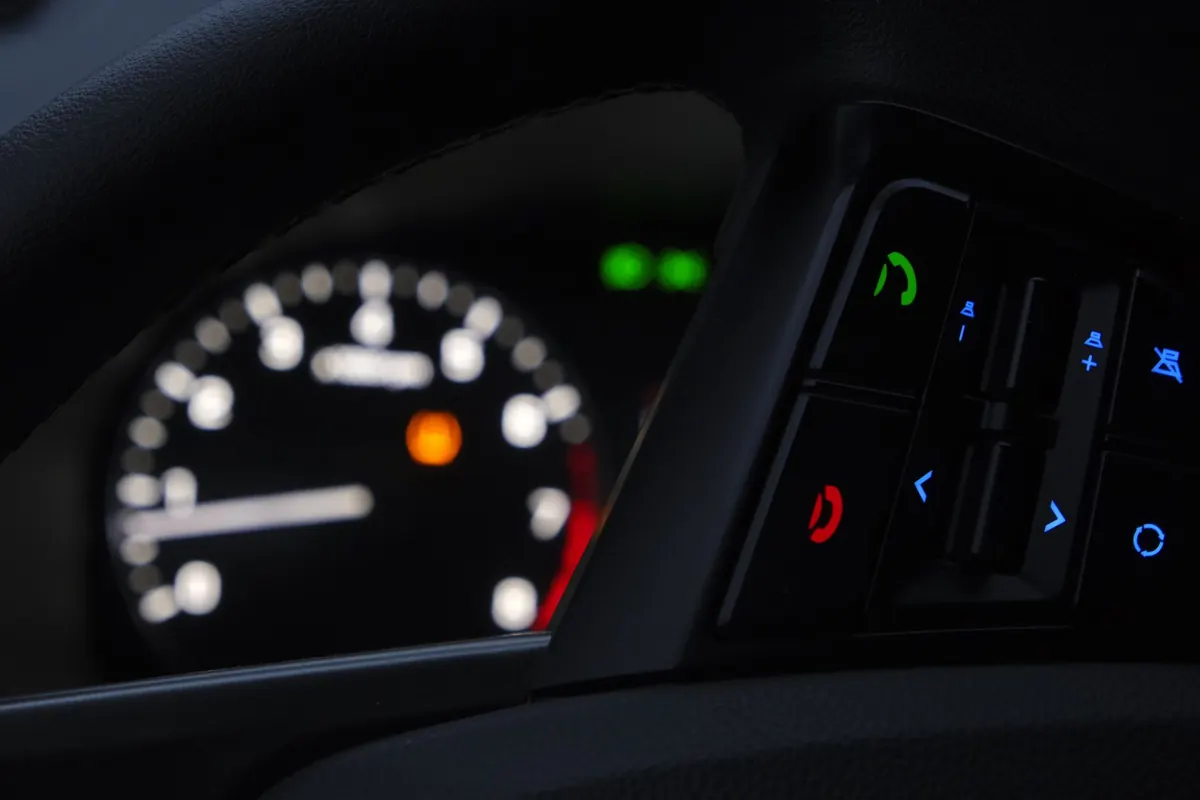
That amber engine icon has a talent for ruining a morning. On a Ford it can mean anything from a fuel cap seal that isn't sealing to a misfire dumping raw fuel into your catalytic converter. The good news is that every Ford sold since 1996 speaks the same language, OBD-II, and an inexpensive scan tool or a Bluetooth adapter paired with your phone can tell you what the computer is actually upset about. Here's how to pull the codes, sort the harmless from the urgent, and decide whether you're reaching for a wrench or for the phone number of a shop you trust.
Start With the Code, Not the Parts Cannon
The diagnostic port on most Fords lives under the driver's side of the dash, close to the steering column, sometimes behind a small removable panel. On some F-150 generations it sits near the parking brake release. Plug in your scanner, turn the key to run, and let the tool talk to the PCM.
Write every code down before you clear anything, including the pending codes and freeze frame data. Freeze frame is the snapshot the computer saved at the exact moment the fault set: engine speed, coolant temperature, vehicle speed, load. A P0301 logged at 42 mph under light throttle tells a very different story than the same code logged at idle in a driveway.
If you own a Ford and plan to keep it, consider a Ford-aware tool such as FORScan with a compatible adapter. Generic scanners read engine and emissions codes, but Ford-specific software can also reach the body control module, ABS, and other modules where B, C, and U codes hide.
How to Read a Ford OBD-II Code
Every code starts with a letter that tells you which system is complaining, followed by four digits. The first digit after the letter matters more than most people realize: a zero means the code is a government-mandated generic fault, while a one means the manufacturer defined it themselves.
- P — Powertrain: engine, transmission, fuel, emissions. This is what the check engine light is usually about.
- B — Body: airbags, climate, windows, seat modules.
- C — Chassis: ABS, traction control, steering.
- U — Network: modules that can't talk to each other over the CAN bus.
So P0171 is a generic powertrain code meaning the engine is running lean on bank one. P1299 is Ford's own code, cylinder head over-temperature protection active, and it means the engine has already entered a protective mode. Same format, very different urgency.
The Codes Ford Owners See Most
P0300 through P0308: Misfires
P0300 means random or multiple misfires; P0301 through P0308 point to a specific cylinder. On Fords this is frequently an ignition coil, a worn plug, or a coil-on-plug boot that's arcing. Swap the coil from the misfiring cylinder to a neighbor and see whether the code follows. If it does, you've found your culprit. If it doesn't, look at compression, injector function, and valve train.
P0171 and P0174: Lean Conditions
These mean too much air or too little fuel on bank one or bank two. Common causes are a cracked or disconnected vacuum hose, a dirty mass air flow sensor, a leaking intake gasket, or a failing fuel pump. On V6 and V8 Fords, a vacuum leak near the intake plenum is worth checking before you replace anything expensive.
P0456, P0457, P0442: EVAP Leaks
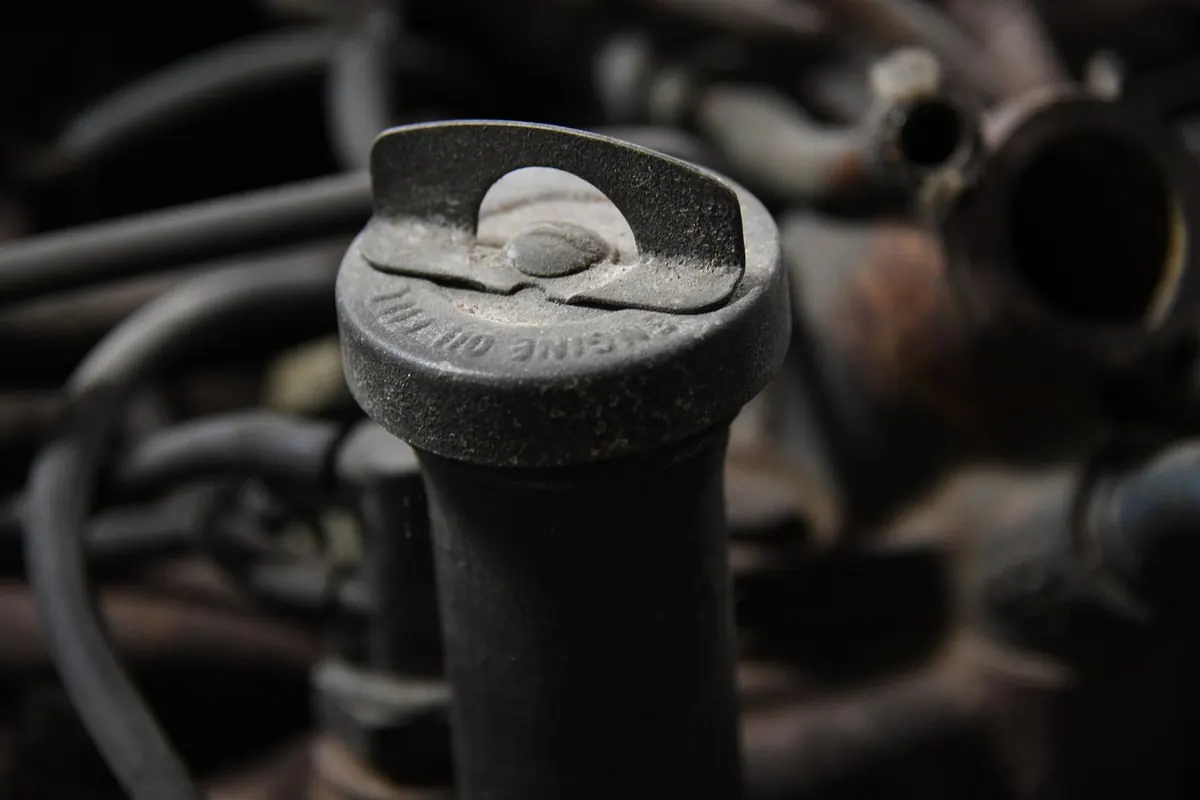
These cover small leaks in the fuel vapor system. Ford's capless fuel filler is a frequent offender: the spring-loaded seal gets grit in it or gets damaged by a jammed funnel, and the system can't hold pressure. Wipe the filler neck clean and inspect the seal before chasing hoses. A stuck-open purge valve or a cracked charcoal canister line are the next suspects.
P0420 and P0430: Catalyst Efficiency
These say the downstream oxygen sensor isn't seeing the switching pattern it expects, meaning the catalytic converter may be losing effectiveness. Don't replace the converter on the code alone. An exhaust leak, a lazy upstream O2 sensor, or a long-standing misfire can trigger the same code. Fix the underlying fault first, then recheck.
P0128: Coolant Thermostat
The engine isn't reaching operating temperature in the expected time. Nine times out of ten it's a thermostat stuck partially open. It's an inexpensive part, and on most Ford engines it's a reasonable driveway job. Leaving it alone costs you fuel economy and adds wear.
Driveway Checks Worth Ten Minutes
- Check the fuel filler seal and make sure the cap, if you have one, clicks tight.
- Look and listen for vacuum leaks. A length of hose held to your ear works surprisingly well along the intake.
- Inspect the air filter and clean the MAF sensor with MAF-specific cleaner, never brake cleaner.
- Check coolant level and look for crusty residue around hoses and the thermostat housing.
- Look at the oil. Low or filthy oil can set camshaft timing codes on Ford's variable timing engines.
- Wiggle battery terminals and check voltage. Low voltage causes strange codes across multiple modules.
Steady Light or Blinking Light?
A steady check engine light means a fault is stored and you can usually keep driving while you investigate. A blinking light is different. It signals a misfire severe enough to send unburned fuel into the catalytic converter, where it can melt the substrate in minutes. If the light is flashing, reduce power, avoid hard acceleration, and get off the road as soon as it's safe. That is a stop-now situation, not a next-weekend situation.
Repair It Yourself or Hand It Over?
Codes that map cleanly to a single accessible part are friendly to a home mechanic: a thermostat, an ignition coil, an EVAP purge valve, an oxygen sensor. Codes that need interpretation before parts, like lean conditions, catalyst efficiency, or camshaft correlation, reward diagnosis over guessing. If you've cleared a code, driven it, and it returns immediately with the same freeze frame data, you haven't fixed the cause.
Hand it to a shop when the code points inside the engine or transmission, when you lack the tools to verify the repair, or when two unrelated systems are complaining at once. A network code like U0100 alongside an engine code often means a wiring or module problem, and that's a job for someone with a scan tool that can talk to every module in the truck.
Clearing Codes Without Creating New Problems
Clearing codes with a scanner also wipes the readiness monitors, the self-tests the PCM runs to prove the emissions system is working. If you have an emissions inspection coming up, clearing a code the day before can fail you before you even start, because the monitors need drive cycles to reset. Fix the fault, clear the code, then drive normally for a few days before testing.
Keep a simple log in the glovebox: date, mileage, code, and what you did. Ten years from now that notebook will be worth more than any forum thread. And if the same code keeps returning after two honest repair attempts, stop replacing parts and get a proper diagnosis. Your Ford will tell you what's wrong. You just have to ask it the right way.
Photo: Evgeniy Lejnev / Pexels