Ford Bronco Sport vs. Jeep Cherokee: Compact Off-Road SUV Comparison
A practical comparison of the Ford Bronco Sport and Jeep Cherokee covering off-road hardware, cargo room, fuel economy, and daily comfort, plus how to pick between them.
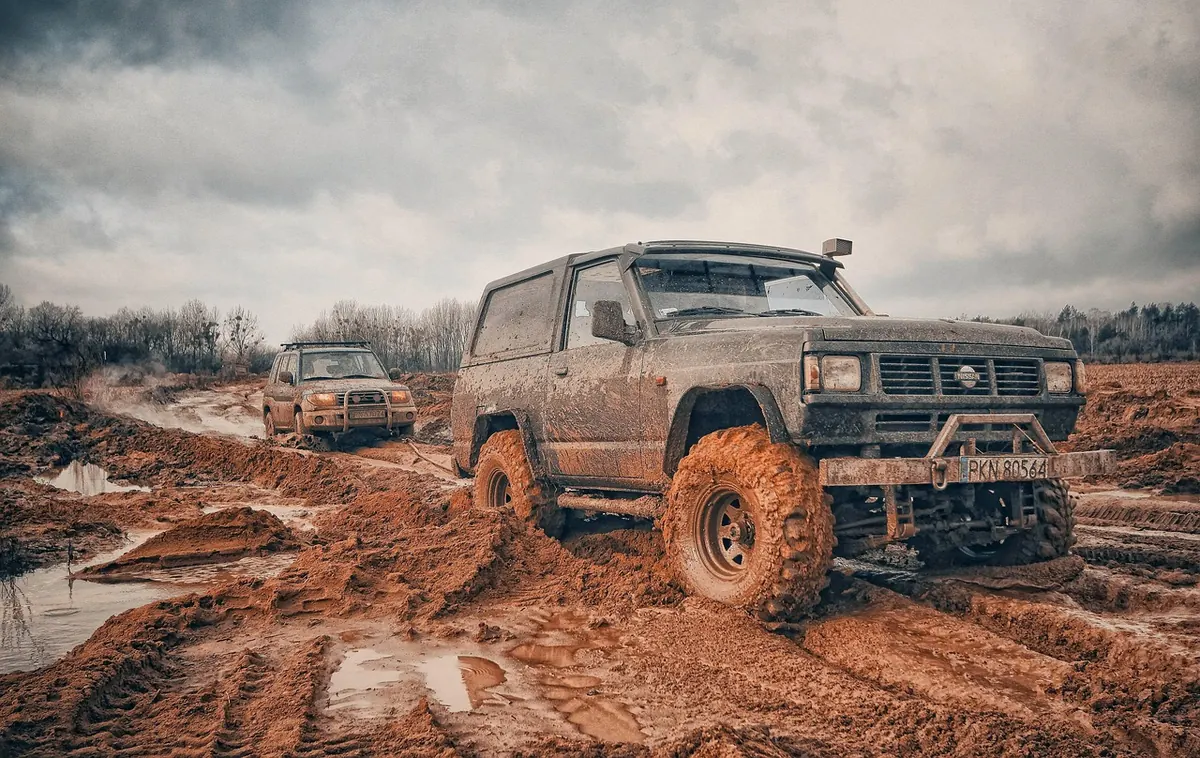
Compact SUVs rarely force a real choice between pavement and trail, but the Ford Bronco Sport and the Jeep Cherokee both make a convincing case for muddy boots and a Monday commute. They arrive at that idea from opposite directions: the Bronco Sport borrows its personality from the full-size Bronco, while the Cherokee carries decades of Jeep practicality in a roomier, more conventional package.
If you're cross-shopping the two, the useful question isn't which one is better. It's which set of trade-offs matches the roads, trails, and passengers you actually deal with.
Two Very Different Starting Points
The Bronco Sport is built on a front-wheel-drive-based unibody platform shared with the Ford Escape, then heavily reworked: all-wheel drive across the range, a lifted suspension, and a shorter, boxier body. Jeep's Cherokee — the KL generation that ran through the 2023 model year — is also a unibody crossover, but it was designed around Jeep's own all-wheel-drive hardware, and higher trims add a genuine two-speed transfer case.
That difference shapes everything else. The Ford feels like a small truck that happens to be civilized. The Jeep feels like a family crossover that happens to be quite good in the dirt. Both descriptions are honest, and neither is an insult.
Off-Road Capability: Hardware Versus Packaging
Trim level matters more than badge here. A base Bronco Sport and a Bronco Sport Badlands are different animals, and the same is true of a Cherokee Latitude versus a Cherokee Trailhawk.
On the Ford side, the Badlands gets the 2.0-liter EcoBoost, a twin-clutch rear drive unit that can push torque to a single rear wheel, a rear locking differential, and roughly nine inches of ground clearance. Ford's G.O.A.T. modes adjust throttle, shifting, and traction control for the surface under you, from Slippery and Sand to Mud/Ruts and Rock Crawl.
The Cherokee Trailhawk counters with Jeep's Active Drive Lock system, which includes a low-range power transfer unit — a real 4-Low that lets you creep down a steep grade without riding the brakes. It also brings a rear locker, skid plates, tow hooks, and Selec-Terrain with a Rock setting. Ground clearance lands in the same ballpark as the Badlands.
What that means in practice
- Slow, technical rock and steep descents: the Cherokee Trailhawk's low range gives finer control and stronger engine braking.
- Tight, twisting two-tracks and sandy washes: the Bronco Sport's shorter wheelbase and lighter feel make it easier to place.
- Everything above: tires beat badges. A Badlands or Trailhawk on proper all-terrain rubber will outperform a loaded trim on all-seasons.
Neither vehicle is a Wrangler. Both will handle forest service roads, deep snow, and rutted trails that would stop a standard crossover cold.
Cargo Space and Daily Practicality
The Bronco Sport gives you a bit over 30 cubic feet behind the rear seats and roughly 65 with them folded. The Cherokee is slightly tighter behind the second row but wider overall, and its rear seat offers noticeably more legroom for adults.
Ford's party trick is a rear seat that flips up and a rubberized, drainable cargo floor on many trims — handy for wet dogs, muddy boots, or a cooler that leaks. Roof rails show up on most versions, and the squared-off roof accepts a decent roof box without eating into headroom.
Towing is a weak spot for both compared with mid-size SUVs. The Bronco Sport is rated around 2,000 to 2,200 pounds depending on engine and package. A V6 Cherokee is rated considerably higher, which matters if you pull a small camper or a pair of jet skis.
Fuel Economy and Running Costs
The Bronco Sport's standard 1.5-liter three-cylinder is the efficiency pick, typically landing in the mid-to-high 20s combined. Step up to the 2.0-liter in the Badlands and expect low-20s in mixed driving. The Cherokee's 2.4-liter four is broadly comparable to the Ford's base engine, while the V6 trades economy for towing and passing power.
Two real-world notes. The Bronco Sport's blocky shape costs it highway mileage at 75 mph, so a mostly-interstate commute won't flatter it. And the Cherokee's nine-speed automatic drew plenty of complaints for hesitant, hunting shifts in its early years — worth a long test drive in stop-and-go traffic, not just around the block.
Comfort, Noise, and Long Drives
This is where the Cherokee usually wins. It rides more softly, isolates road noise better, and offers a lower, more car-like seating position. The Bronco Sport sits you upright with excellent forward visibility and easy parking, but you'll hear wind and tire noise, and the ride is firmer — especially with Badlands suspension and all-terrain tires.
Inside, Ford's materials feel deliberately rugged and easy to wipe down. Jeep's cabin is more conventional and, in back, more generous. If you spend two hours a day on the highway with adults in the second row, the Cherokee is the friendlier place to be. If your drives are short and your weekends are outdoors, the Ford's compromises make more sense.
How to Decide
- Write down your actual week: miles driven, number of passengers, cargo, and whether you tow anything at all.
- List the trails you genuinely drive. A gravel road and a snowy driveway rarely justify a low range.
- Insist on a Badlands or Trailhawk test drive if off-road ability is the point — the base trims are different vehicles underneath.
- Drive both on the same loop, including a broken stretch of pavement. Ride differences show up fast.
- Check insurance quotes and tire replacement costs. The Cherokee is out of production, so also compare used values and certified pre-owned coverage.
A Practical Bottom Line
Buy the Cherokee if comfort, rear-seat space, and towing matter most, and if a Trailhawk's low range fits the terrain you actually drive. Since the nameplate went on hiatus after the 2023 model year, most examples are used — a well-documented car with a complete service history is worth paying a little more for.
Buy the Bronco Sport if you want a compact SUV that feels built for the outdoors, value maneuverability over outright size, and don't mind a firmer ride. Aim for a Badlands, or at least budget for all-terrain tires, and accept the fuel penalty that comes with the boxy shape.
Whichever way you lean, spend one extra afternoon driving both. Compact off-roaders live or die on small details — seat height, steering weight, how the transmission behaves in traffic — and no spec sheet will tell you those things.
Photo: jwvein / Pixabay